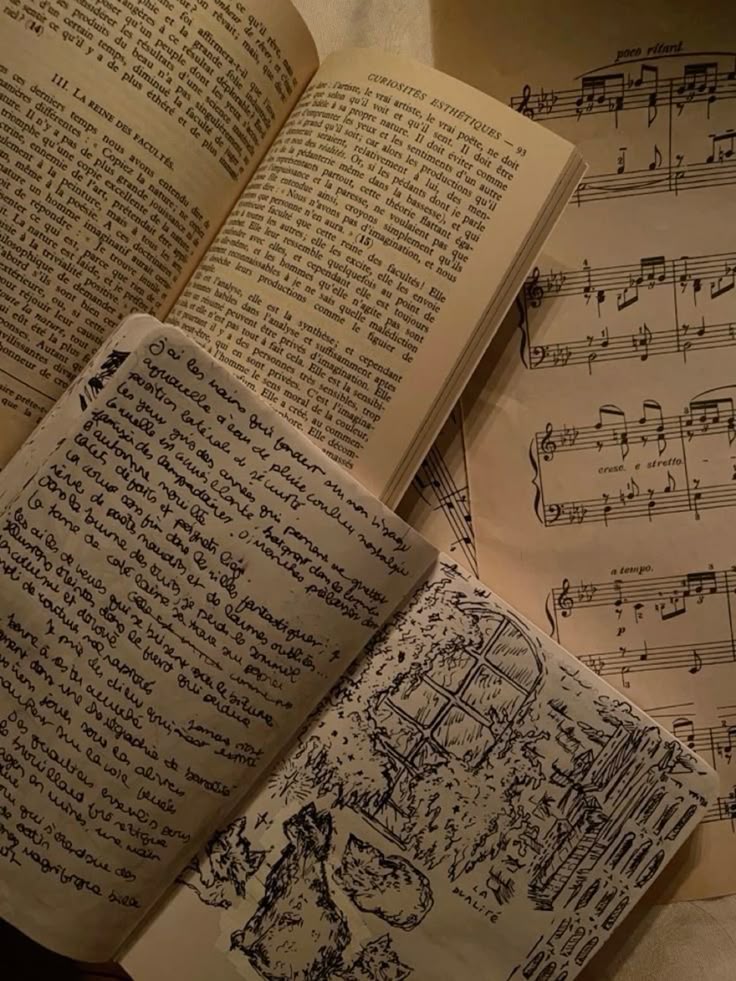
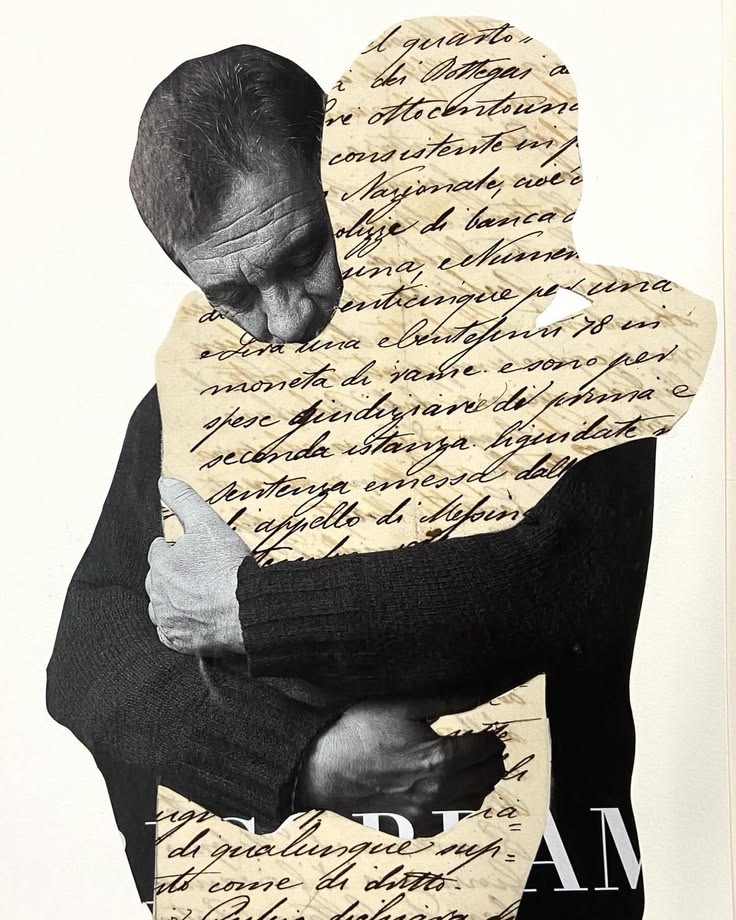
The art of writing what you cannot say out loud.
Why the page receives what the mouth refuses and how writers have always used ink as a confessor, a mirror, and a sanctuary. There are things that live in us for years without ever being spoken. Not because they are shameful, necessarily, but because language, when it travels through the mouth into another person’s ears, becomes a social act, subject to response, to judgment, to the particular weather of the moment. Writing is different. Writing is a conversation with no one and everyone at once. It is the one place where the unspeakable becomes, quietly, speakable. This is perhaps the oldest function of literature, older than entertainment, older than instruction. The first writers scratched not administrative records onto clay tablets but grief, desire, wonder, and fear. They were doing exactly what writers still do today: moving something from the sealed interior of the self onto a surface that can hold it. “I write because I don’t know what I think until I read what I say.” –Flannery O’Connor Why we cannot say it. The things we cannot say out loud fall into several distinct categories, and understanding them is the first step toward writing through them. 01. Fear of consequences. Saying “I am profoundly unhappy in this marriage” or “I do not believe in the faith I was raised in” carries immediate social weight. Writing it first lets you find out if you actually mean it before the world has to know. 02. Absence of words in the moment. In conversation, time is merciless. The right sentence arrives three hours later, in the shower. Writing gives you those three hours, as many of them as you need, before the words leave you. 03. The shame of incompleteness. Many of our deepest feelings are contradictory and unresolved. We love someone and resent them. We want something and are terrified of it. Speech expects coherence. The page does not. 04. The impossibility of translation. Some inner experiences have no ready-made words. Writers spend entire careers building the sentence that finally says what no sentence has said before. The attempt itself is the practice. How writers do it: the craft of indirection. The great discovery of literature is that the most powerful way to say a thing directly is often to say it indirectly. Fiction, metaphor, persona, and form are not evasions; they are precision instruments. They let the writer approach the wound at an angle, which is the only angle that doesn’t flinch. 01. The mask of fiction.Give your truth to a character. Call it a novel. Sylvia Plath could say things as Esther Greenwood that she could not say as herself, and the distance made it more, not less, honest. 02. The private journal.Writing with no audience in mind is the purest form of this art. The journal is a space where nothing needs to be earned, explained, or defended. Many writers keep one precisely for this reason. 03. Metaphor and image.To say “I feel like I am drowning” is not to escape the truth; it is to reach it more accurately than “I am overwhelmed” ever could. Metaphor is the mind’s native tongue for things too large for direct expression. You do not have to be a writer to do this. This is the essential democratizing truth: the page does not require your credentials. The unsent letter, the diary entry written at 2 a.m., the poem that never leaves your notebook—these are not lesser forms of writing. They may, in fact, be the purest form, because they are answerable only to the self. Psychologists have known for decades that expressive writing—writing about difficult emotions in detail—produces measurable improvements in emotional health, immune function, and clarity of thought. The mechanism is simple: articulation is itself a form of processing. When you find words for something, you change your relationship to it. You are no longer inside the feeling, drowning. You are also outside it, naming it, which means you have, in some small but real sense, survived it. So write the thing. Write it badly, in fragments, in the wrong order, in a voice that does not sound like you. Write it on a napkin, in the notes app on your phone, or in the back of a notebook you will lose. The form does not matter. The act of reaching for language, even when language fails, even when the sentence comes out wrong, is the beginning of saying what you cannot say out loud. The page has always been the room where the door could be closed. It still is. All you have to do is sit down and begin.